
Table of Contents
I recently added a auxilary 5V PD output for other periperals. See here.
I’ve been tinkering again with the USB Type-C–to-DIN power adapter for the VIC-20 and C64—think modern PD brains, classic 8-bit soul.
The latest change is small but handy: I added an auxiliary 5 V PD output for extra peripherals. That opened a can of pixels: I wanted status/fault indication for the aux rail, but squeezing yet another LED into the center lens felt… clumsy.
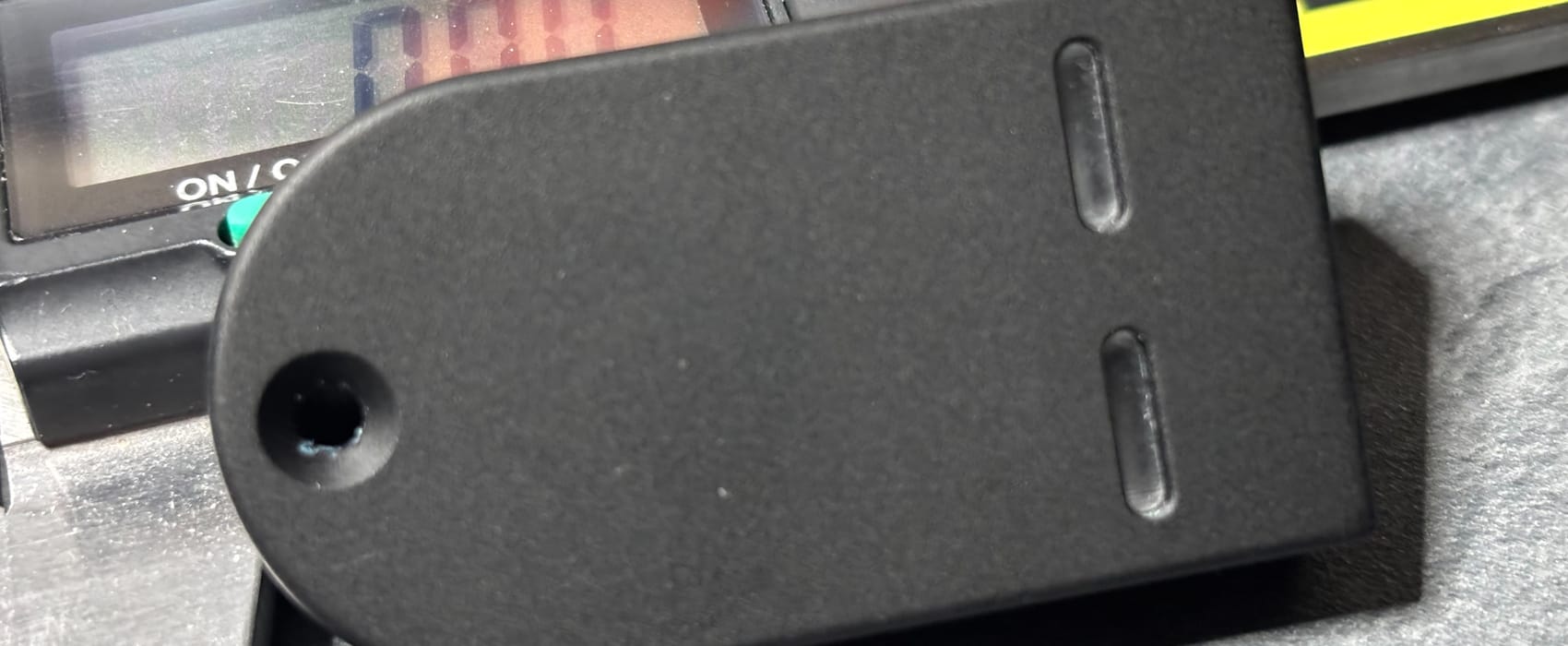
Solution: shift the indicators to where the action is—right by the USB-C port—and add one more while I’m at it. Two neat dual-color (red/green) LEDs now live alongside the connector, each paired with a slim oblong light guide. It’s cleaner, easier to read at a glance, and it keeps the center lens from turning into a Christmas tree.
Why this is better
- Immediate feedback: Status right by the port you’re using.
- Less clutter: The main LED stays elegant; no awkward cram-fest.
- More signal, less noise: Dual-color makes good vs. fault unmistakable.
It’s a minor mechanical update, but it makes the whole unit feel more deliberate—like the VIC and C64 deserved in the first place.
Upper LED (Input)
The upper LED is for the USB Type-C input. It will light up steady red if the is an issue. If the PD negotiation to 20V is successful it will slowly fade up/down in green. If the PD negotiation is successfully, but only for 5V then the LED will fade up/down in red.
Lower LED (5V Auxilary)
This LED will light steady green if a peripheral is attached and 5V output is active.
This LED will light steady red if for over current or other fault modes.